

Vegetable Omelette
A vegetable omelette is a versatile and nutritious meal, perfect for breakfast, lunch, or dinner. Packed with fresh veggies, herbs, and fluffy eggs, this dish is an excellent way to incorporate more vegetables into your diet while enjoying a light and satisfying meal.
Whether you’re looking to start your day with a protein-rich breakfast or seeking a quick and healthy dinner, a vegetable omelette offers delicious flavors and a balance of nutrients.
With its customizable ingredients, this recipe can suit various dietary preferences and make the most of seasonal vegetables. Here, we’ll guide you through a simple, step-by-step recipe to make the perfect vegetable omelette that’s as nutritious as it is tasty.
Ingredients
For the Omelette
- 3 large eggs (use more if desired for a thicker omelette)
- Salt and black pepper to taste
- 1 tablespoon milk or water (optional, for fluffiness)
- 1 tablespoon butter or olive oil for cooking
For the Vegetable Filling
- 1/4 cup onions, finely chopped
- 1/4 cup bell peppers (red, yellow, or green), diced
- 1/4 cup tomatoes, seeds removed and diced
- 1/4 cup mushrooms, sliced thinly (optional)
- 1/4 cup spinach leaves, chopped
- 1 small green chili (optional, for a bit of heat), finely chopped
- 1 tablespoon fresh herbs like parsley or cilantro, chopped
How to Make a Vegetable Omelette
Prepare the Ingredients: Start by chopping all vegetables into small, even-sized pieces. This ensures they cook evenly and fit nicely into the omelette without tearing it.
Beat the Eggs: In a medium-sized bowl, crack the eggs and add a pinch of salt and black pepper. If you prefer a fluffier texture, add 1 tablespoon of milk or water to the eggs. Whisk well until the yolks and whites are fully combined and the mixture looks slightly frothy.
Cook the Vegetables: Heat a non-stick skillet over medium heat and add half the butter or olive oil. Once the butter melts, add the chopped onions and sauté until they turn translucent, about 1-2 minutes. Next, add the bell peppers, tomatoes, mushrooms (if using), and green chili. Cook for another 2-3 minutes, stirring frequently until the vegetables are softened but still slightly crisp. Add the chopped spinach last, allowing it to wilt slightly. Transfer the cooked vegetables to a plate and set them aside.
Cook the Omelette: Wipe the skillet clean, lower the heat to medium-low, and add the remaining butter or olive oil. Pour the beaten eggs into the skillet, tilting it to ensure the eggs spread evenly across the surface.
Add the Vegetables to the Omelette: Allow the eggs to cook undisturbed for about 1-2 minutes until the edges start to set. While the center is still slightly runny, evenly sprinkle the cooked vegetables over one-half of the omelette. You can also add cheese if you like.
Fold and Finish Cooking: Carefully fold the other half of the omelette over the vegetables using a spatula. Press down gently to hold the omelette together. Let it cook for another 1-2 minutes until the center is fully set, and the cheese is melted if using. Slide the omelette onto a plate.
Name | Position | Office | Age |
Vegetable Spring Rolls |  | ||
Cobb Salad |  | ||
Spinach and Ricotta Stuffed Shells |  |
Serve: Garnish with freshly chopped herbs, a sprinkle of black pepper, and a little extra cheese on top if desired. Serve hot with a side of toast, fresh salad, or avocado slices for a complete meal.
Chef’s Note
Choose Fresh Ingredients: The quality of your omelette largely depends on the freshness of your vegetables. Select vibrant, crisp veggies, and avoid those that are overripe or limp.
Customize Your Fillings: Feel free to swap out vegetables based on your taste or what’s in season. Zucchini, broccoli, cherry tomatoes, or shredded carrots work wonderfully in a vegetable omelette.
Add Herbs and Spices: For added flavor, consider incorporating a dash of paprika, cumin, or Italian seasoning into your eggs or vegetables. Fresh herbs like basil, thyme, or chives bring a refreshing twist.
Cheese Options: Cheese is optional but adds a rich, creamy layer to the omelette. Try feta, mozzarella, cheddar, or goat cheese if you enjoy a cheesy omelette.
Nutrition Information (per serving, approximately)
- Calories: 210 kcal
- Protein: 14 grams
- Carbohydrates: 5 grams
- Dietary Fiber: 2 grams
- Sugars: 3 grams
- Fat: 16 grams
- Saturated Fat: 6 grams
- Cholesterol: 250 mg
- Sodium: 210 mg
- Vitamin A: 40% of Daily Value (DV)
- Vitamin C: 25% of DV
- Calcium: 10% of DV
- Iron: 8% of DV
This nutritional breakdown can vary depending on portion sizes and added ingredients like cheese or additional oils. The vegetable omelette is a good source of vitamins A and C, protein, and essential minerals, supporting a balanced diet.
Final Thoughts
A vegetable omelette is a versatile meal that’s not only quick and easy to make but also offers ample room for creativity.
It’s a wholesome, low-carb dish rich in protein and fiber, keeping you energized throughout the day. As you experiment with different vegetables, cheeses, and herbs, you’ll discover new flavor combinations and ways to make this humble omelette even more delicious.
Enjoy your meal with a side of whole-grain toast, a sprinkle of fresh herbs, and a refreshing glass of juice or smoothie. Whether you’re a beginner or a seasoned chef, this vegetable omelette is bound to become a favorite go-to meal for any time of the day!
Thanks for visiting Vegetables Recipe
Name | Position | Office | Age |
Quinoa Vegetable Salad | 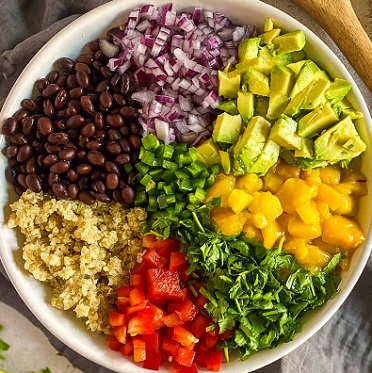 | ||
Cauliflower Steaks |  | ||
Kale Salad with Lemon Vinaigrette | 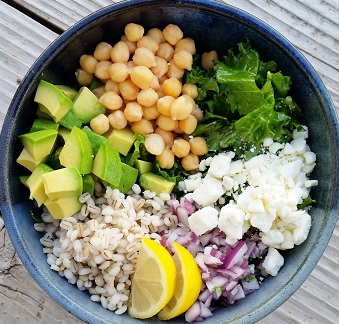 |