
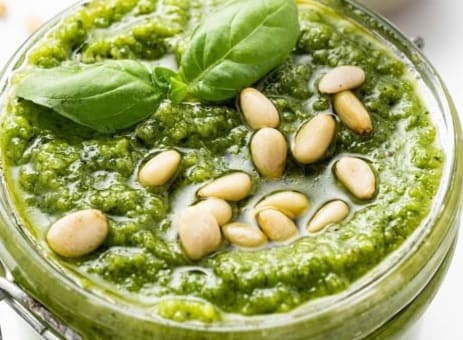
Pesto Sauce
Pesto sauce is a vibrant, aromatic Italian sauce made traditionally with fresh basil, pine nuts, garlic, Parmesan cheese, and olive oil.
Originating from the Liguria region of Italy, pesto adds a burst of fresh herbaceous flavor to pasta, sandwiches, salads, and more. Making pesto at home is simple and allows you to enjoy the purest taste of fresh ingredients.
This versatile sauce can be customized with different nuts, herbs, or cheeses, making it a favorite in kitchens worldwide. Whether you want to dress your pasta, spread on toast, or use as a dip, classic pesto sauce is a must-have recipe that elevates everyday dishes.
Ingredients (Makes about 1 cup)
2 cups fresh basil leaves (packed)
1/3 cup pine nuts (can substitute with walnuts or almonds)
2-3 garlic cloves, peeled
1/2 cup freshly grated Parmesan cheese
1/2 cup extra virgin olive oil
Salt to taste
Freshly ground black pepper to taste
Optional: 1-2 teaspoons lemon juice (for brightness)
How to Make Classic Pesto Sauce
Step 1: Toast the Nuts (Optional but Recommended)
Lightly toast pine nuts in a dry skillet over medium heat for 2-3 minutes until fragrant and golden.
Let them cool before blending. Toasting enhances the nutty flavor.
Step 2: Blend Basil, Nuts, and Garlic
In a food processor or blender, combine basil leaves, toasted pine nuts, and garlic cloves.
Pulse several times until coarsely chopped.
Step 3: Add Cheese and Oil
Add the grated Parmesan cheese to the mixture.
While the processor is running on low, slowly drizzle in olive oil to emulsify and combine into a smooth sauce.
Step 4: Season and Finish
Season with salt and freshly ground black pepper to taste.
Optionally, add a teaspoon or two of fresh lemon juice to brighten the flavors.
Pulse once more to mix.
Step 5: Store or Serve
Use pesto immediately or store in an airtight container in the fridge for up to a week.
To prevent browning, pour a thin layer of olive oil on top before sealing.
Name | Position | Office | Age |
Vegetable Spring Rolls |  | ||
Cobb Salad | 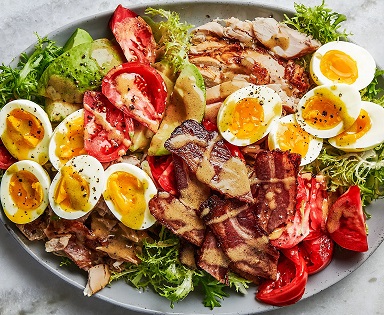 | ||
Spinach and Ricotta Stuffed Shells | 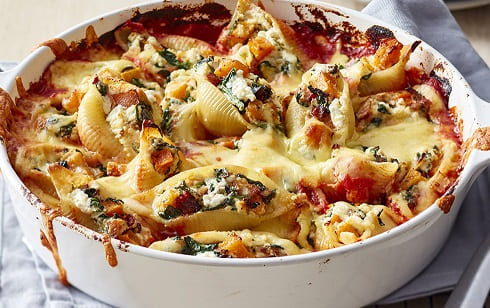 |
Chef’s Notes
Fresh Basil: Use the freshest basil leaves possible. Avoid basil that looks wilted or yellowed.
Nuts: Pine nuts are traditional, but walnuts, almonds, or even cashews work well and offer different flavor profiles.
Cheese: Freshly grated Parmesan provides the best flavor. Pecorino Romano can be used for a sharper taste.
Oil: Use good quality extra virgin olive oil as it significantly impacts the taste.
Texture: For chunkier pesto, pulse less. For smoother pesto, blend longer and add more olive oil.
Variations: Try adding spinach or arugula to the basil for a different twist. Sun-dried tomatoes can add depth and sweetness.
Nutrition Information (Per 2 tablespoons approx.)
Calories: 160 kcal
Protein: 3g
Carbohydrates: 2g
Fat: 16g
Fiber: 1g
Sugar: 0.2g
Sodium: 140mg
Cholesterol: 5mg
FAQs About Pesto Sauce
Can I freeze pesto sauce?
Yes! Freeze pesto in ice cube trays and then transfer to a freezer bag. Use within 3 months for best flavor.
What can I substitute for pine nuts?
Walnuts, almonds, or cashews make excellent alternatives and may be more affordable.
How long does homemade pesto last?
Stored in the refrigerator with a layer of olive oil on top, pesto lasts about one week.
Can I make pesto without cheese for a vegan version?
Yes! Omit cheese or use nutritional yeast to keep a cheesy flavor.
What dishes go well with pesto?
Pesto is perfect on pasta, pizza, sandwiches, grilled meats, roasted vegetables, or even as a dip.
Conclusion
Pesto sauce is a simple yet flavorful addition to any kitchen. Its fresh ingredients and easy preparation make it a go-to for quick meals and impressive dishes alike. By making your own pesto, you can customize it to your liking and enjoy a fresh burst of Italian flavor anytime.
Thanks for visiting Vegetables Recipe
Name | Position | Office | Age |
Quinoa Vegetable Salad | 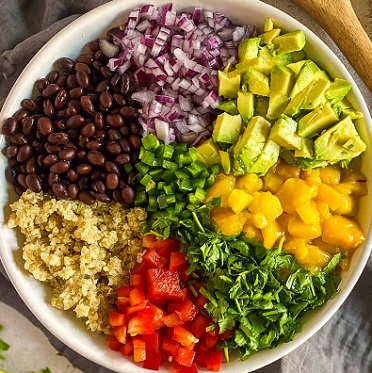 | ||
Cauliflower Steaks | 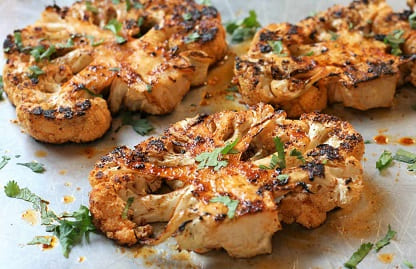 | ||
Kale Salad with Lemon Vinaigrette | 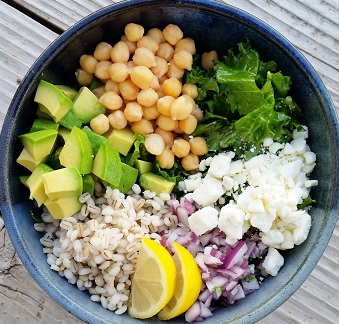 |